

Australian Wooden Furniture Styles: Contemporary, Mid-Century, Farmhouse and Coastal Explained (2026 Design Guide)
Australian Wooden Furniture Styles Explained: Contemporary, Mid-Century, Farmhouse & Coastal Design Guide 2023
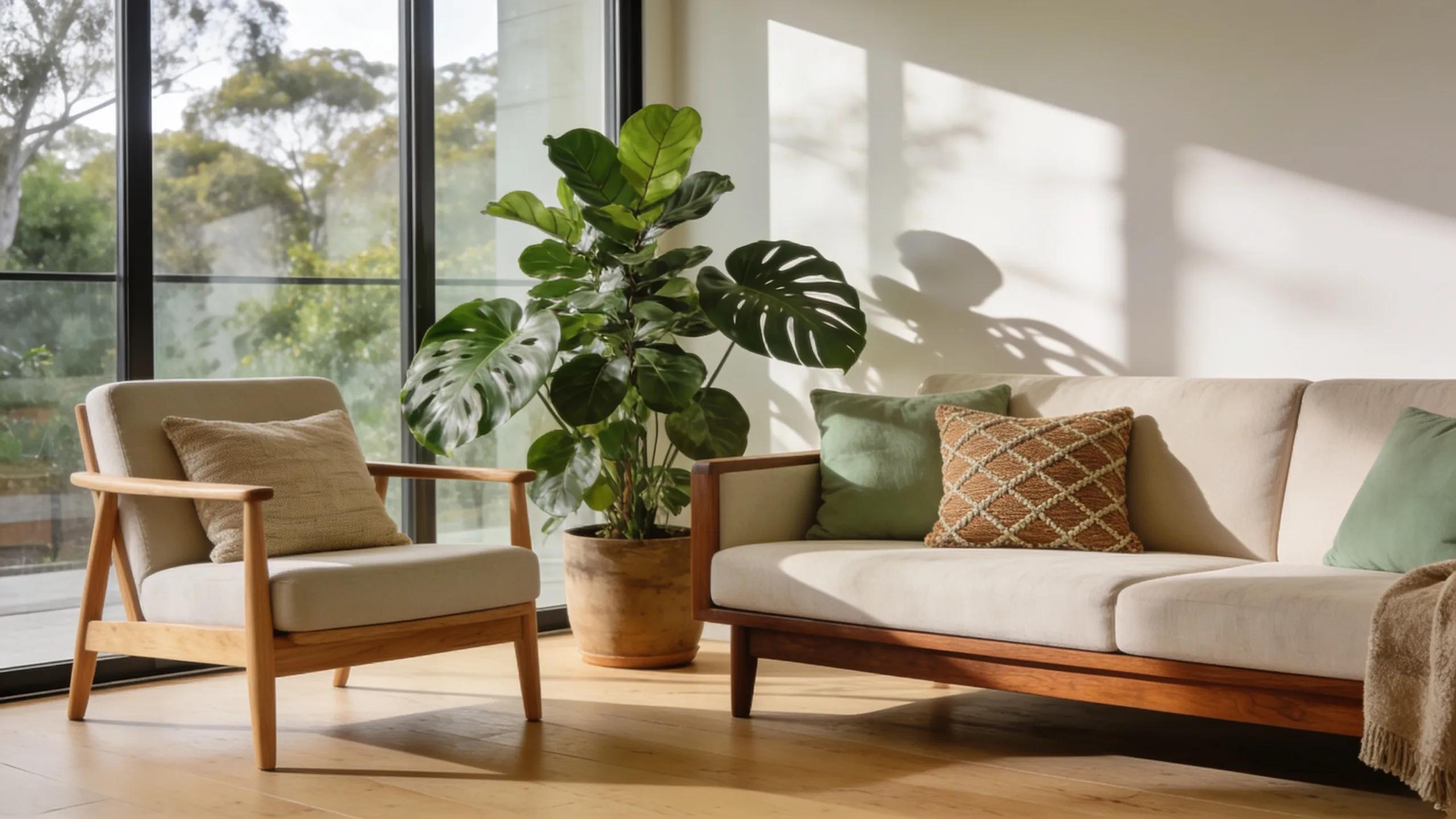
The world of Australian wooden furniture is a vibrant tapestry, reflecting diverse styles that cater to various tastes and functional needs. This guide explores significant furniture styles including contemporary, mid-century, farmhouse, and coastal designs as we head into 2023. You'll discover how each style is defined, the materials that highlight their character, and the craftsmanship that brings them to life. Many homeowners want furniture that not only serves a practical purpose but also resonates with their personal style. Australian wooden furniture can achieve this through its unique features and sustainable practices. We’ll walk through what defines contemporary wooden furniture, the evolution of mid-century modern designs, farmhouse style essentials, and coastal décor trends.
What defines Contemporary Wooden Furniture Designs in Australia?
Contemporary wooden furniture designs in Australia focus on minimalism paired with functionality, showcasing clean lines and quality workmanship. This style equals modern aesthetics and often utilises sustainable materials that appeal to environmentally conscious buyers. The blend of form and function makes contemporary pieces visually appealing as well as practical and durable. Skilled artisans ensure each piece is crafted to be a lasting work of art you can enjoy for years.
Which Australian timbers are preferred in contemporary furniture?
Some timber types are quite popular for their look and durability in contemporary Australian furniture:
- Tasmanian Oak: Its light colour and fine grain suit modern designs well.
- Tasmanian Blackwood: Offers rich, warm tones perfect for more luxurious pieces.
- Spotted Gum: Known for strength and unique grain patterns, it brings character to furniture.
Choosing these timbers not only enhances furniture’s appearance but also supports sustainability.
How is craftsmanship expressed in contemporary Australian wood furniture?
Craftsmanship shines through careful attention to detail and a passion for quality. Makers combine traditional methods with modern techniques to create pieces that stand out. Key points include:
- Handcrafted quality: Each item carries unique touches from skilled hands.
- Innovative joinery: Blending old joinery styles with new ensures strength and style.
- Sustainable practices: Using ethically sourced wood shows care for the environment.
These aspects bring life and character to the furniture beyond just looking good.
How has Mid-Century Modern Furniture evolved in Australia?
Mid-century modern furniture in Australia has grown since its early days, combining sleek, geometric lines with a mix of organic and manufactured materials. Over time, local designers have embraced the original ideas while infusing touches inspired by Australian culture.
What are the signature features of Mid-Century Modern wooden furniture?
Mid-century modern wooden furniture stands out for:
- Clean lines: Simple forms without excessive decoration.
- Organic shapes: Curved designs with a slight asymmetry for comfort and style.
- Functionality: Designed to be practical and enhance living spaces.
This style remains timeless and appeals to those who love balanced design and usefulness.
Which Australian hardwoods align with mid-century aesthetics?
Hardwoods that support this style include:
- Blackbutt: Light hardwood that adds warmth.
- Jarrah: Durable with a rich colour for a touch of elegance.
- Sheoak: Attractive grain patterns that ensure strength.
Using local hardwoods not only complements mid-century looks but also promotes Australian craftsmanship.
What are the key characteristics of Farmhouse Wooden Furniture Styles in Australia?
Farmhouse wooden furniture brings rustic charm through sturdy builds and a nostalgic feel. It mixes traditional designs with natural warmth and a focus on usable, comfortable pieces.
Which wood species are best suited for Australian farmhouse furniture?
Commonly used woods for farmhouse style are:
- Pine: Cost-effective and easy to paint or stain for a versatile finish.
- Paulownia: Lightweight and warp-resistant, great for decorative items.
- Recycled wood: Reclaimed timber adds unique character and promotes sustainability.
These woods match the farmhouse vibe of simplicity and connection to nature.
How to style and finish farmhouse wooden furniture for authenticity?
To bring out that authentic farmhouse feel, consider:
- Distressing techniques: Creating a weathered, time-loved look.
- Natural finishes: Oils and waxes keep the wood’s character alive compared to synthetic coatings.
- Layering textures: Combining fabric and metal adds depth and comfort.
This blends traditional charm with subtle modern touches.
How to integrate Coastal Style Furniture Trends with Australian wooden pieces?
Coastal style reflects light, fresh designs that bring to mind the sea and a relaxed lifestyle. Adding coastal furniture creates an inviting space with light colours and natural materials inspired by Australia’s coastline.
What wood types enhance coastal interior design in Australia?
Woods that suit coastal interiors include:
- White Ash: Light and fine-grained, perfect for airy, spacious feels.
- Tasmanian Oak: Adaptable for various coastal finishes.
- Cedar: Naturally resists moisture, great for humid areas.
These choices balance beauty with practicality in coastal settings.
Which finishing techniques create authentic coastal wooden furniture looks?
Finishing touches to get the coastal look include:
- Whitewashing: Lightens wood while showing the grain for a nautical vibe.
- Weathered finishes: Gives a soft, sun-bleached appearance.
- Shellac or lacquer: Offers protection without hiding natural beauty, useful for more used spaces.
These styles make furniture feel fresh and perfect for a coastal home.
Why is sustainable timber and craftsmanship vital in Australian wooden furniture?
Using sustainable timber and expert craftsmanship is key to responsible furniture making in Australia. Choosing sustainably sourced wood supports the environment and ensures that natural resources are preserved for the future.
How are Australian native timbers sustainably sourced and used?
Responsible sourcing involves practices like:
- Selective logging: Harvesting only certain trees to protect forests.
- Certification schemes: Many producers follow standards for managing forests responsibly.
- Supporting the local industry: Using local materials reduces environmental impact and supports the community.
These methods help keep Australian wooden furniture environmentally friendly and local.
Which artisan woodworking techniques preserve quality and style authenticity?
Techniques that maintain quality and authentic style include:
- Hand-crafting: Skilled hands give each piece special attention and uniqueness.
- Traditional joinery: Techniques that ensure strong, beautiful connections without relying heavily on nails or screws.
- Natural finishing: Using oils and polishes that enhance wood’s natural look and durability.
Such craftsmanship honours tradition and delivers furniture built to last.
What are the latest 2023 design trends for Australian Timber Furniture Styles?
Looking ahead to 2023, design trends show a merging of styles and a focus on sustainability that reflects changing tastes and lifestyles.
How is the resurgence of mid-century and coastal farmhouse fusion shaping design?
A blend of mid-century modern and coastal farmhouse is gaining popularity, bringing together key traits from both styles:
- Colour palettes: Soft, muted shades that remind one of the coast while keeping mid-century refinement.
- Furniture lines: Combining clean lines with rustic textures, creating versatile pieces fitting many spaces.
- Mixed materials: Adding metals and fabrics alongside wood to balance and enrich designs.
This trend supports both personal style and practical living in today’s homes.
What consumer preferences drive demand for handcrafted sustainable wooden furniture?
People increasingly choose furniture that is handcrafted and sustainable because they value:
- Unique pieces: Items with personality that reflect individual tastes.
- Eco-conscious living: A wish to buy products made responsibly to help the planet.
- Craftsmanship appreciation: Valuing quality and the skill behind each creation over mass-produced goods.
This growing preference highlights a cultural move toward more mindful buying and an appreciation for beautiful, well-made wooden furniture.