

Wooden Furniture Care and Maintenance: How to Keep Solid Timber Looking Great for Decades (2026 Australian Guide)
Wooden Furniture Care and Maintenance: How to Keep Solid Timber Looking Great for Decades in Australia
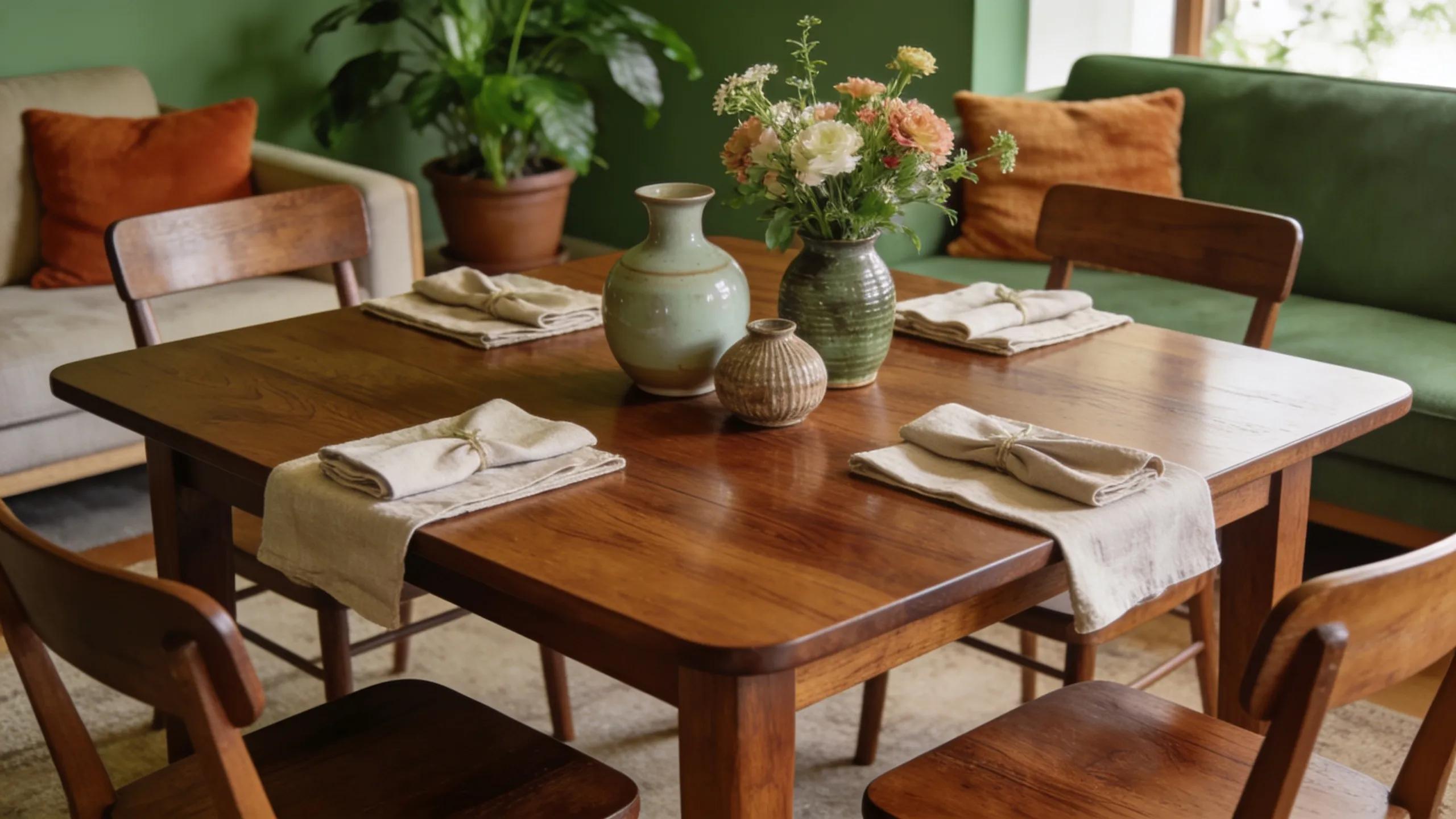
Proper care and maintenance of wooden furniture is essential for ensuring its longevity and aesthetic appeal. Wooden furniture, especially solid timber pieces, can last for generations if given the right attention. This article shares friendly and practical guidelines on maintaining your wooden furniture in Australia, with simple strategies to keep it looking great by effective cleaning, polishing, and protective treatments. Many homeowners just want to know the best everyday ways to prevent wear and tear while keeping their furniture beautiful. By following the tips below, you’ll learn easy daily maintenance, how to use wood polish the right way, natural cleaning options, and basic scratch prevention and repair techniques.
Essential Daily Maintenance Tips
Taking care of your wooden furniture on a daily basis really helps keep it in tip-top shape. Small habits today can prevent bigger problems later on. Regular dusting with soft, lint-free cloths stops dirt build-up that might scratch or dull the finish. Clean spills straight away with a damp cloth to avoid stains or moisture damage. Also, try to keep your furniture out of harsh sunlight or away from heat sources—these can fade or warp the wood over time.
Here’s a quick list of daily care tips to keep in mind:
- Dust Regularly: Use gentle materials like microfiber cloths to protect the surface.
- Clean Spills Quickly: Wipe up any liquid straight away to prevent staining.
- Avoid Heat & Sunlight: Position furniture away from radiators and direct sun.
Using Wood Polish the Right Way
Applying wood polish correctly helps protect your furniture and brings out the natural charm of solid timber. There are different polishes like oil-based or water-based, each with their perks. Regular polishing builds a barrier against dirt, moisture, and UV rays. Using a clean, soft cloth to apply polish evenly will avoid streaks and keep things looking smooth. Choosing a polish that suits your specific wood type matches both its needs and your lifestyle.
Best pointers for polishing include:
- Pick the Suitable Polish: Match polish to your wood for the best results.
- Apply Evenly: Use consistent strokes and let it dry before buffing to a nice shine.
- Stick to a Routine: Polishing every 3 to 6 months is a great rhythm for most homes.
Natural Wood Cleaners That Work Well
For those who prefer a gentler, eco-friendlier approach, natural cleaners are an excellent choice. They avoid harsh chemicals and are safer around kids and pets, while respecting the wood’s natural oils. Some favourites include:
- White Vinegar and Olive Oil Mix: A gentle cleaner that polishes as it cleans.
- Castile Soap: Mild soap diluted in water works great across surfaces.
- Lemon Juice and Olive Oil: Cleans and leaves a fresh scent behind.
Scratch Prevention and Repair Tips
To keep your furniture scratch-free, simple everyday care makes a big difference. Use coasters under drinks, placemats for hot dishes, and felt pads under decorations to reduce wear and tear.
If you do spot scratches, treating them quickly helps prevent further damage. For light scratches, wood filler or a matching stain pen can do the trick. Deeper scratches might need sanding and refinishing, something that’s best left to professionals for the perfect finish.
Common Protective Treatments
Protective finishes help your furniture withstand daily challenges by forming a barrier against moisture, stains, and wear. Popular options include varnishes, oils, and lacquers—each with their own look and upkeep needs.
Here’s a simple overview:
| Treatment Type | Durability | Maintenance Frequency |
|---|---|---|
| Varnishes | High | Every 5 years |
| Oils | Moderate | Every 1 to 2 years |
| Lacquers | High | Every 5 years |
Environmental Considerations for Your Furniture
Humidity and sunlight have a big impact on timber furniture. Too much moisture makes wood swell, while dry air can cause cracking. Aiming for indoor humidity around 30-50% and placing furniture away from direct sun keeps timber healthy and looking its best.
Remember these tips:
- Maintain Climate Control: Stable humidity preserves the wood’s shape and finish.
- Smart Furniture Placement: Avoid direct sunlight and heat sources.
- Check Regularly: Watch for anything unusual like scratches or fading and address it early.
How to Apply Wood Polish for Lasting Care
Following a simple process when polishing helps protect your timber and keeps its natural beauty shining through:
- Clean First: Remove dust and dirt before starting.
- Apply Polish: Use a soft cloth in the direction of the grain.
- Buff: Once dry, buff to a subtle shine with a clean cloth.
Best Natural Wood Cleaners for Everyday Use
For everyday cleaning, consider these natural options that protect your wood’s finish without harsh chemicals:
- Baking Soda Paste: Works well on tough stains without scratching.
- Essential Oils: Add a few drops for a fresh scent and natural antibacterial effect.
- Eco-Friendly Commercial Brands: Look for biodegradable, environmentally conscious products.
Preventing and Fixing Scratches on Wooden Furniture
Keep scratches at bay with these practical steps:
- Use Coasters: Protect surfaces from moisture marks.
- Keep Surfaces Clean: Dirt and grit can scratch surfaces if not removed.
- Choose Soft Cleaning Materials: Use cloths designed for delicate wood finishes.
If scratches do happen, options for repair include:
- Buffing Light Scratches: Sometimes a gentle buffing can restore the look.
- Scratch Repair Kits: Fillers and markers designed to match wood tones.
- Sanding and Restaining: For deeper damage, light sanding followed by restaining blends the repair.
Top Scratch Prevention Tips for Timber
Maintain your timber finish by:
- Dusting Regularly: Prevent dirt buildup that leads to scratches.
- Using Protective Mats: Place mats under items regularly moved or heavy objects.
- Smart Arrangement: Keep furniture out of high-traffic areas where bumps can happen.
Step-by-Step Guide to Fixing Scratches on Solid Timber
To repair scratches effectively:
- Assess Scratch Depth: Light scratches usually only affect the surface.
- Choose the Right Approach: Use a wood marker for minor marks; sand and stain deeper ones.
- Seal and Protect: Apply a finish to match the surrounding area and protect the repair.
Popular Oil Finishes to Consider in 2026
These oils are well-suited to nourish and protect your timber:
- Linseed Oil: Great for enhancing grain and adding protection.
- Tung Oil: Creates a tough, water-resistant surface, good for busy furniture.
- Danish Oil: Easy to maintain while enriching the wood’s look.
Benefits of Oil Finishes for Solid Timber
Oils provide:
- Natural Beauty: Penetrates wood to bring out depth and richness.
- Water Resistance: Helps shield against spills and moisture.
- Simple Maintenance: Reapplying is straightforward, keeping your furniture fresh.
Choosing Eco-Friendly and Sustainable Oil Finishes
To make environmentally sound choices for your timber finishes:
- Look for Green Certifications: Biodegradable or low-VOC labels are good indicators.
- Avoid Harmful Chemicals: Steer clear of finishes with heavy metals or synthetic additives.
- Support Local: Local brands often minimise environmental impact through shorter transport.
Restoring Vintage Wooden Furniture
Bringing vintage timber back to life means balancing care and preservation. Here are friendly tips that keep character intact while refreshing the piece:
- Gentle Cleaning: Remove dirt without stripping the character.
- Check for Damage: Fix any structural issues carefully.
- Use Suitable Products: Pick restoration materials made for vintage finishes to respect the original look.
Restoring Australian Native Woods
Australian native timbers are special and require respectful restoration techniques, such as:
- Careful Sanding: Avoid aggressive methods that might harm the natural finish.
- Colour Matching: Use products tuned to Australian wood hues.
- Eco-Friendly Finishing: Choose treatments that protect wood and local ecosystems alike.
Why Using the Right Wood Polish Matters
Choosing suitable wood polish helps keep your furniture healthy and good-looking. Different polishes offer different benefits—from enhancing shine to sealing out moisture—so picking the right one supports your timber’s unique needs over time.
How Wood Polishes Shield and Beautify Timber
Polishes form a protective shield that guards against humidity, UV rays, and everyday wear. They also fill tiny surface imperfections, making the wood grain stand out beautifully. Regular polishing means stronger protection and sustained appeal for your furniture.
Comparing Popular Wood Polishes
There are a few common types of polishes, each with distinct ingredients and uses:
| Polish Type | Main Ingredients | Effectiveness | Best For |
|---|---|---|---|
| Oil-Based | Mineral oil, wax | High | Long-lasting shine |
| Water-Based | Acrylic, polymers | Moderate | Quick touch-ups |
| Natural | Beeswax, plant oils | High | Eco-friendly care |
Sustainable Practices for Long-Term Timber Care
Caring for furniture sustainably benefits both your wood and the planet. Some easy ways to adopt green habits include:
- Choose Eco-Friendly Products: Opt for cleaners and polishes made from sustainable materials.
- Repurpose Old Pieces: Instead of throwing out old furniture, find creative ways to reuse it.
- Keep Learning: Stay updated with simple, effective care ideas to protect your furniture’s value.
Seasonal Maintenance and Timber Longevity
Timber reacts to seasonal changes, so adjusting your care routine helps keep your furniture solid and stable. Paying attention to humidity and temperature means less stress on the wood, preventing cracks or warping. Applying treatments before weather changes and regular inspections form part of good seasonal upkeep.
Health-Conscious Care Solutions for Your Home
Using gentle, low-VOC cleaners and natural finishes not only protects your furniture but also creates a healthier home environment. Avoiding harsh chemicals means the air stays fresher and everyone feels safer.
In summary, simple care and regular maintenance ensure your wooden furniture stays beautiful and functional for many years. By following these approachable tips and choosing suitable products, you can enjoy the natural charm of solid timber right in your Australian home.